
The Historic Mosque City of Bagerhat
Introduction
If you’re a traveler from the USA or Europe who loves history, architecture, and off-the-beaten-path destinations, Historic Mosque City of Bagerhat should be on your global bucket list. Nestled in the southwest of Bangladesh, this remarkable site offers one of the richest collections of medieval Islamic architecture in South Asia — built nearly 600 years ago by a visionary ruler and saint.
This travel guide dives deep into Bagerhat’s history, its iconic mosques, visitor tips, travel logistics from major hubs, cultural experiences, and the best ways to explore this timeless place — from the striking Sixty Dome Mosque to hidden gems known only to locals.
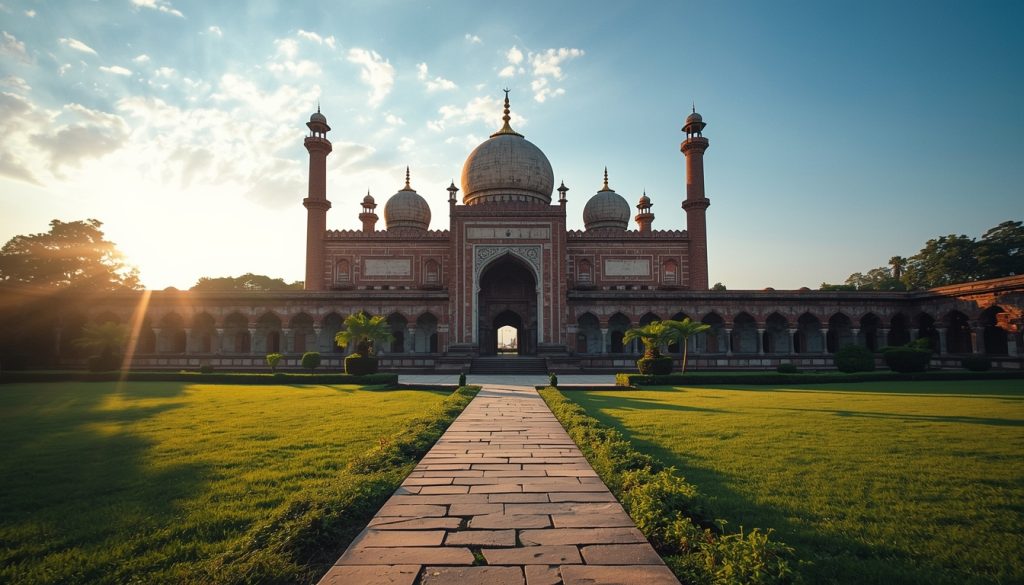
A Cultural and Architectural Marvel: Why Bagerhat Matters
Listed as a UNESCO World Heritage Site since 1985, the Historic Mosque City of Bagerhat is celebrated for its outstanding medieval infrastructure and extraordinary concentration of early Islamic monuments. Bagerhat was once called Khalifatabad and flourished in the 15th century under Ulugh Khan Jahan, a Turkic general turned governor and Sufi saint.
At its peak, the city spread over tens of square kilometers along the banks of the old Bhairab River — flourishing with mosques, mausoleums, roads, reservoirs, and bridges all laid out with remarkable planning and architectural sophistication.
More than 50 historical monuments have been excavated and preserved within the broader city area, making it one of the most significant sites of Sultanate-era architecture in Bengal.
Historic Highlights You Can’t Miss
🕌 Sixty Dome Mosque (Shaṭ Gombuj Masjid)
Without question, the Sixty Dome Mosque is the star attraction — and the reason most travelers venture to Bagerhat. Built in the 1440s-1450s by Khan Jahan Ali, this mosque is one of the largest and most impressive medieval Muslim monuments in South Asia.
Despite its name suggesting 60 domes, the structure actually features 81 domes — with 77 smaller domes forming the roof and four larger corner domes — supported by 60 stone columns inside. The effect is breathtaking: a mesmerizing forest of columns and arches that invites visitors to lose themselves in the rhythm of repeated forms.
Why it’s special:
- A stunning example of Indo-Islamic architecture unique to Bengal.
- Thick brick walls and terracotta details regulate temperature naturally — keeping the interior cool even in the tropical heat.
- A UNESCO-protected masterpiece where morning and evening light dramatically transform the mood.
Tips for visitors:
- Dress modestly out of respect; remove shoes before entering prayer areas.
- Visit early morning or late afternoon for the best light and cooler exploration.
🗿 Nine Dome Mosque
Another architectural gem is the Nine Dome Mosque, a tranquil but elegant structure with nine domes arranged symmetrically.
Though smaller than the Sixty Dome Mosque, it’s a perfect stop for photography and quieter reflection. The surrounding ruins and terracotta motifs reflect the nuanced evolution of mosque styles during the Sultanate period.
🕯️ Chunakhola Mosque
Located within a peaceful rural setting, Chunakhola Mosque represents a transitional architectural style, bridging the early traditional design of early Bagerhat mosques with later regional features.
It’s a single-domed mosque that has retained its distinctive brick ornamentation and stands as a testament to the craftsmanship of 15th-century artisans.
🪩 Khan Jahan Ali’s Tomb (Mausoleum)
Slightly away from the main mosque clusters, the tomb — known locally as Khan Jahan Ali Mazar — is where the revered founder of Bagerhat was laid to rest in 1459 AD.
Surrounded by lush greenery and serene ponds, the mausoleum invites visitors to reflect on the life of a man who shaped an entire city with his vision. It also serves as a place of pilgrimage for many Bangladeshis.
🧭 Other Significant Sites
Bagerhat’s landscape holds more than mosques:
- Singar Mosque: A compact and elegant mosque proud of its terracotta work.
- Reza Khoda Mosque, Zinda Pir Mosque, and Ranvijoypur Mosque: Lesser-known but rich in architectural detail.
- Bagerhat Museum: A modest but insightful museum of artifacts and relics found in the region, helping contextualize your visit.
- Kodla Math Temple: A Hindu temple nearby reflecting the religious diversity and historical cultural blends of the region.
A Rich Tapestry of History and Culture
The Story of Khalifatabad
Bagerhat’s story begins with Khan Jahan Ali who arrived in this sparsely populated region of the Bengal delta in the mid-1400s. Charged with expanding the Sultanate’s influence, he transformed the mangrove-fringed landscape into a thriving urban center.
Where once there was dense forest, roads were built, water reservoirs dug, bridges laid, and hundreds of mosques erected — all within a few decades.
Archaeological evidence and historical records show that Bagerhat, then called Khalifatabad, was one of the most forward-thinking cities of its time, successfully blending religious fervor, urban planning, and unparalleled architectural creativity.
Planning Your Visit from the USA & Europe
Best Time to Visit
Bangladesh is tropical, with a monsoon season (June–September) that can make travel rainy and humid. For USA and European visitors, the best months to enjoy Bagerhat comfortably are:
- October–March: Cooler temperatures, dry weather, and clear skies.
This season also aligns well with many Western holiday calendars, making it ideal for long stays or multi-destination tours.
Getting There
From international gateways like Dhaka (Hazrat Shahjalal International Airport) or Chittagong Airport, you can connect to Khulna, and then onward to Bagerhat via road transport.
Many travelers choose to combine their visit with nearby attractions like the Sundarbans mangrove forest, another UNESCO site known for its biodiversity and tiger habitats. (If part of your trip includes wildlife or nature exploration, plan for additional days in this region.)
Where to Stay
Bagerhat offers modest guesthouses and local accommodations with easy access to the mosque sites. If you prefer more comforts, nearby Khulna provides larger hotels and a broader choice of amenities, with daily transfers to the mosque city.
Respectful Travel and Cultural Sensitivity
Bagerhat is a place of worship and living culture. While most sites are open to all visitors regardless of faith, it’s important to:
- Dress modestly, especially when entering mosques.
- Remove shoes and hats when entering prayer halls.
- Be mindful of prayer times; some areas might be closed briefly during Jumat (Friday) prayers.
Locals are often welcoming, curious, and proud of their heritage — a sincere smile and a polite greeting can go a long way.
What to Eat + Local Experiences
Bagerhat offers traditional Bangladeshi cuisine with local flavors — think aromatic rice dishes, fish curries (Bangladesh is famous for its river fish), and sweet treats like roshogolla or mishti doi. Ask locals for their favorite eateries — they’re often hidden gems!
Day-by-Day Sample Itinerary
Day 1: Orientation & Sixty Dome Mosque
- Wake up early to beat heat and crowds.
- Explore the mosque with a guide to understand architectural symbolism.
- Visit Bagerhat Museum and learn the city’s archaeology.
Day 2: Explore Lesser-Known Gems
- Visit Nine Dome Mosque, Singar Mosque, Chunakhola Mosque.
- Spend quiet time at Khan Jahan Ali’s tomb.
- Enjoy a sunset walk or bike ride through local villages.
Day 3: Culture Beyond Mosques
- Optional day trip to Sundarbans or other regional attractions.
- Shop for local crafts and souvenirs.
Photography & Storytelling Tips
For photographers and bloggers:
- Golden hour provides gorgeous light on the brick façades.
- Use wide-angle lenses inside mosques to capture columns and domes.
- Include locals and rituals respectfully to convey life here today.
Conclusion: Why Bagerhat Should Be on Your Travel List
The Historic Mosque City of Bagerhat is more than dusty ruins — it’s a living testament to human ingenuity, faith, cultural fusion, and architectural brilliance. For USA and European travelers seeking authentic, meaningful travel experiences, Bagerhat offers a rare intersection of history, culture, and immersive storytelling.
From the architectural grandeur of the Sixty Dome Mosque to the tranquil rhythms of rural Bangladesh, Bagerhat invites you to discover a world few Western visitors yet know — but one that rewards those curious enough to explore.
Ready to travel? Start planning your trip to Bagerhat and uncover centuries-old stories etched in brick and sky.


