
Srimangal: The Tea Capital of Bangladesh
Experience Lush Greenery, Pristine Forests, Unique Culture & Nature at Its Best
Introduction — Welcome to Srimangal
Nestled in the heart of Bangladesh’s Sylhet Division, Srimangal is a haven for nature lovers, tea enthusiasts, and travelers seeking tranquility away from urban chaos. Often referred to as the “Tea Capital of Bangladesh,” Srimangal’s rolling tea gardens, misty landscapes, dense rainforests, tranquil lakes, and rich tribal culture create a breathtaking destination that appeals to all types of travelers — from backpackers and photographers to eco-tourists and families.
In this ultimate travel guide, you’ll discover why Srimangal deserves a prime spot on your bucket list — from exploring the endless green tea gardens and spotting rare wildlife in Lawachara National Park, to enjoying cultural experiences in indigenous villages and unwinding in peaceful eco-settings.
What Makes Srimangal the Tea Capital of Bangladesh?
The Tea Story: Two Leaves & a Bud
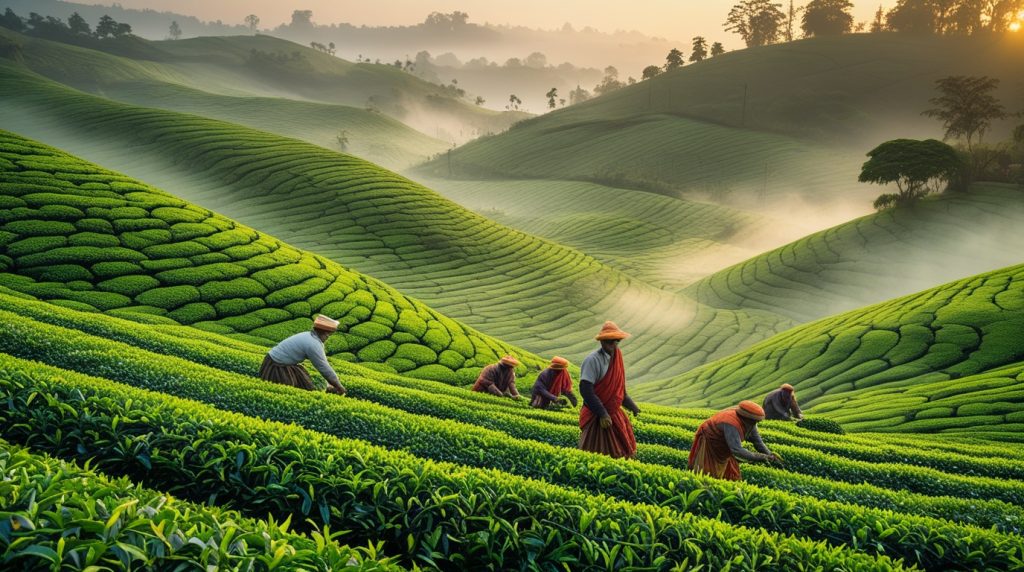
Srimangal owes its title as the Tea Capital of Bangladesh to its extensive tea culture and production. The region sits within the famous Sylhet tea belt, where fertile soils, generous rainfall, and hilly terrain combine to produce some of the country’s best quality tea.
The tea plantations of Srimangal stretch as far as the eye can see, with neat rows of emerald green bushes blanketing the landscape. This is not just scenic beauty; Srimangal’s tea industry plays a pivotal role in Bangladesh’s economy, employing tens of thousands of workers and contributing significantly to national tea production.
Fun Fact: The local saying “two leaves and a bud” reflects the ideal picking standard — pluck these three parts from tea bushes for the freshest and most flavorful teas.
Iconic Tea Estates You Can Visit
Srimangal boasts numerous estates where visitors can walk through lush tea fields, watch daily tea plucking, and even partake in tasting sessions. Some of the most popular include:
- Malnichhera Tea Estate — One of the oldest estates in the region with colonial charm and scenic views of endless tea rows.
- Rungicherra Tea Estate — A highly walkable garden perfect for casual strolls and photography.
- Tea Research Institute Grounds — Here you can learn about tea cultivation, processing techniques, and tea science that drives this agricultural powerhouse.
Many gardens allow guided tours where you can see how tea leaves are plucked by hand and processed into the classic black, green, or specialty blends cherished across Bangladesh and beyond.
Tea Tasting & The Famous Seven-Layer Tea
No visit to Srimangal is complete without indulging in tea itself — but not just any cup. The region is world-famous for its unique Seven-Layer Tea, a colorful beverage made by carefully layering different flavors and densities of tea and milky mixtures in a single glass.
Each of the seven layers has a distinct taste and color, making this drink as much an experience as a refreshment. The best places to try this are local tea stalls near gardens and roadsides — especially the iconic Nilkantha Tea Cabin, a must-visit for any tea lover.
Exploring Lawachara National Park — A Biodiversity Rich Rainforest
A Natural Treasure of Bangladesh
Just outside Srimangal sits the extraordinary Lawachara National Park, one of the last remaining tropical rainforests in Bangladesh. Officially designated as a national park in 1996, it covers roughly 1,250 hectares of semi-evergreen and mixed deciduous forests — a sanctuary for wildlife, rare plants, and bird species.
Walk into Lawachara and you are transported to a world where sunlight filters through dense canopies and nature’s orchestra — bird calls, rustling leaves, and wildlife sounds — becomes your soundtrack.
Wildlife & Flora Highlights
Lawachara is home to an astonishing variety of species:
- Western Hoolock Gibbon: One of the forest’s most famous inhabitants — a critically endangered primate known for its distinctive calls and acrobatic swinging through trees.
- Bird Species: Birdwatchers will delight in sightings of hornbills, trogons, woodpeckers, and more — over 240 bird species call Lawachara home.
- Reptiles & Amphibians: From pythons and king cobras to frogs and owls, the park supports a diverse range of reptiles.
Lawachara’s flora is just as impressive, with over 460 species of plants, including towering bamboo, teak, mahogany, and vibrant orchids.
Best Way to Experience Lawachara
While guided forest walks are popular, many travelers prefer exploring with a local guide who can interpret the sounds of the forest, identify bird calls, and point out wildlife that might otherwise remain hidden.
Tips for visiting:
- Arrive early in the morning for the best chance to observe wildlife.
- Wear sturdy shoes and carry insect repellent.
- Respect forest rules and keep noise to a minimum to protect the habitat.
Peaceful Lakes, Wetlands & Outdoor Experiences
Srimangal is not just about tea and forests — it also offers serene water landscapes and wetlands perfect for slowing down and reconnecting with nature.
Madhabpur Lake — A Serene Water Oasis
Set amid rolling tea gardens and low hills, Madhabpur Lake offers a peaceful escape. Its calm waters mirror the sky and surrounding greenery, creating breathtaking reflections that delight photographers and peace seekers alike.
Winter months bring migratory birds to the lake, making it a favorite spot for birdwatchers. Whether you’re enjoying a quiet picnic, a lakeside stroll, or simply savoring the view, Madhabpur Lake is a place to unwind and take in nature’s beauty.
Baikka Beel Wetland Sanctuary — Birdwatcher’s Paradise
Another must-see is the Baikka Beel Wetland Sanctuary, a huge wetland ecosystem that comes alive with migratory birds during winter months.
Long grasses and shallow waters provide habitat for ducks, storks, herons, and many other species, making Baikka Beel ideal for visitors who enjoy birding, quiet boat rides, and nature observation.
Cultural Experiences & Indigenous Communities
While Srimangal’s natural attractions are world-class, its cultural richness is equally compelling. The region is home to several indigenous tribal communities, such as the Khasia, Manipuri, and Tripura peoples, each with a distinct heritage, lifestyle, and artisanal skill.
Visit Tribal Villages
A visit to a tribal village offers a glimpse into centuries-old traditions — from handmade textiles and pottery to traditional dances and pastoral lifestyles.
Many travelers appreciate the warm hospitality and enjoy learning about indigenous craftsmanship, especially textiles and woven handicrafts that make meaningful souvenirs.
Top Attractions and Things to Do in Srimangal
Here’s a comprehensive list of must-see places and activities:
1. Tea Gardens & Estates
Stroll through endless tea fields, capture stunning photos, and learn about tea production.
2. Lawachara National Park
Explore tropical rainforest trails, watch for wildlife, and enjoy birdwatching.
3. Madhabpur Lake
Relax by the tranquil lake and observe migratory birds.
4. Baikka Beel Wetland Sanctuary
Perfect for nature photography and serene boat tours.
5. Tribal Villages
Engage with local cultures and discover unique arts and crafts.
6. Nilkantha Tea Cabin
Try the famous Seven-Layer Tea — a local specialty.
7. Srimangal Bazaar & Markets
Experience local life, buy spices, souvenirs, handicrafts, and fresh produce.
Eco-Tourism & Sustainability in Srimangal
Srimangal’s natural charm makes it an ideal eco-tourism destination — places where travel supports conservation, respects the environment, and benefits local communities.
Why Srimangal Is a Model for Eco-Tourism
- Conservation Focus: Protected areas like Lawachara support biodiversity and educate visitors about environmental stewardship.
- Local Livelihoods: Tourism offers income to tribal communities and small business owners.
- Sustainable Travel Practices: Encouraged by many eco-lodges and tour operators, responsible tourism minimizes waste, supports local markets, and respects cultural norms.
Traveler Tips for Eco-Responsible Visits:
- Use reusable water bottles and avoid plastic waste.
- Stay at eco-friendly accommodations when possible.
- Follow designated trails to preserve wildlife habitats.
- Respect cultural norms and seek permission before photographing people.
Best Time to Visit Srimangal
Srimangal is a year-round destination, but the best time to visit depends on what you’re seeking:
- November to February (Winter): Cooler temperatures and peak bird migrations make it perfect for wildlife and birdwatching.
- March to May (Spring): Blooming flowers, pleasant weather — ideal for tea garden walks.
- June to September (Monsoon): Lush rainforests and greener landscapes, though trails may be muddy.
Where to Stay — From Rustic to Eco-Luxurious
Srimangal offers accommodations for all travel styles:
- Eco-Lodges & Cottages: Surrounded by nature, many promote sustainable living and offer farm-to-table meals.
- Resorts & Hotels: Comfort-oriented stays near town centers or tea gardens.
- Homestays: For those who want a cultural immersion with local families.
Getting There & Around
Srimangal is well connected from major cities:
- From Dhaka: Regular trains and buses run to Srimangal, taking roughly 4–6 hours depending on the service chosen.
- Local Transport: Within Srimangal, CNG auto-rickshaws, bicycles, and rental cars help you reach attractions.
Food Culture in Srimangal
Besides tea, Srimangal offers unique flavors:
- Tea Leaf Salad: A local specialty using fresh fermented tea leaves.
- Shutki & Local Cuisine: Experience regional dishes that reflect Sylheti flavors.
- Fresh Fruits & Honey: Available from local markets.
7 Practical Travel Tips
- Carry cash: Many small vendors and forest entry points don’t accept cards.
- Hire local guides for forest walks or village tours.
- Pack for nature: Comfortable hiking shoes, rain gear, insect repellent, and binoculars.
- Respect wildlife: Keep noise low and maintain distance.
- Try multiple teas: Each estate has a unique blend.
- Visit early: Wildlife activity and tea plucking start at sunrise.
- Support local artisans: Buy crafts directly from tribal communities.
Conclusion — Why Srimangal Should Be Your Next Escape
Whether you are a nature enthusiast, adventure seeker, cultural explorer, or someone yearning for peace and calm, Srimangal, the Tea Capital of Bangladesh, offers an unforgettable experience. From its sprawling tea gardens and mystical rainforests to its friendly tribal cultures and serene lakes, Srimangal is a destination where nature steals the show and peace finds you.
Pack your bags, steep your curiosity in rich cultural tea leaves, and tread softly into the emerald heart of Bangladesh — a place where the breeze carries the scent of tea, and every path leads to a story.


